What Can You Expect in 2026?
Strengthen Antifibrotic Development Through Cross-Organ Insight
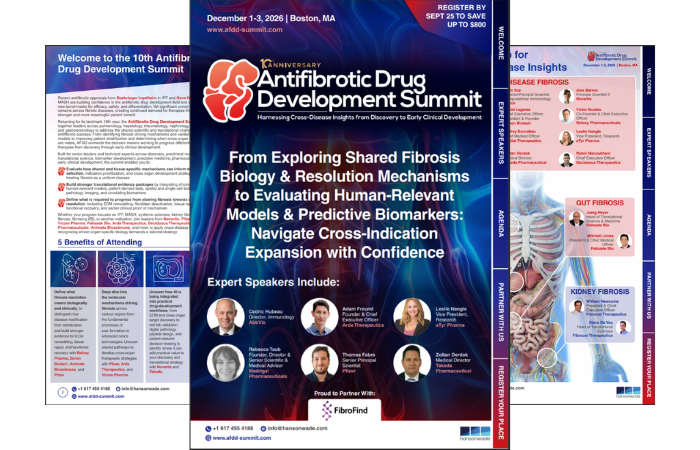
The 10th Antifibrotic Drug Development Summit is the industry-focused forum for teams navigating the scientific and translational complexity of fibrosis drug development. Bringing together experts across lung, liver, kidney, cardiac, skin, gastrointestinal, and systemic fibrotic diseases, the summit examines where pathogenic mechanisms converge across organs and where indication-specific biology requires a tailored development strategy.
With a program spanning discovery through early clinical development, attendees will gain practical insight into identifying disease-driving targets, selecting human-relevant models, designing translational evidence packages, and building biomarker strategies that can demonstrate antifibrotic activity earlier, helping teams prioritize the right assets, generate more decision-enabling evidence, and determine where learnings from one fibrotic indication can strengthen or accelerate development in another.
The agenda will also explore how single-cell technologies are revealing previously hidden pathogenic cell states, how mechanobiology may unlock new routes to fibrosis reversal, and how clinical learnings can be translated back into stronger research decisions.
Across 3 workshops and 20+ expert-led sessions, AFDD will help discovery, preclinical, translational, biomarker, and early clinical teams make more confident decisions around which mechanisms are truly disease-driving, which models best reflect chronic human fibrosis, how to demonstrate activity before conventional endpoints change, and where cross-organ strategies are scientifically and commercially justified.
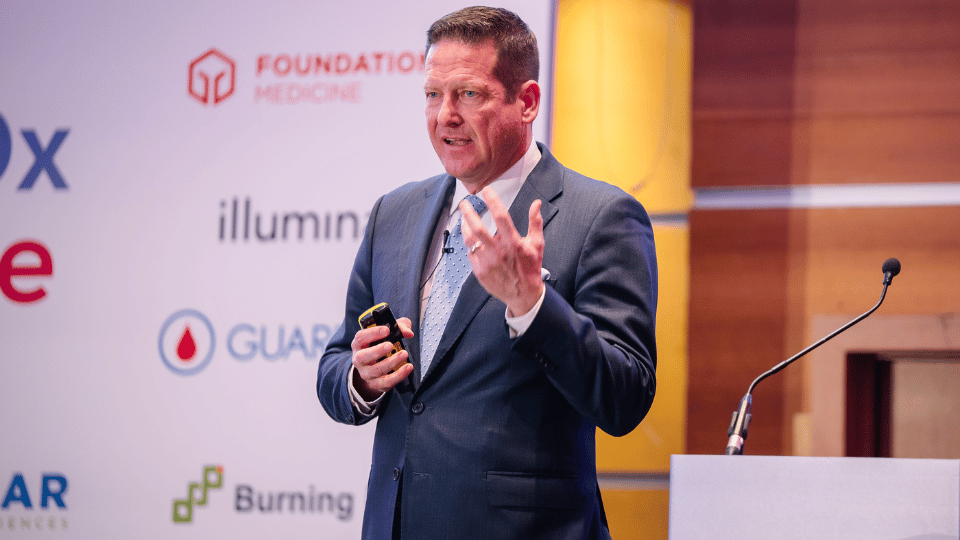
Across 22+ Expert-Led Sessions, Participants Will Explore How Leaders Are:
Mapping Cross-Tissue Fibrosis Biology
Using single-cell and spatial datasets to distinguish conserved pathogenic cell states from organ-specific biology, prioritize stronger targets and select the indications where each mechanism is most likely to translate.
Designing a Translational Evidence Package
Follow FIB992 as a practical case study in combining human kidney biopsy data, disease-relevant models, precision-cut kidney slices, target-engagement assays and biomarker strategies to validate DDR1 inhibition, identify responsive patients and de-risk proof-of-concept development in kidney allograft fibrosis.
Reverse Translating Clinical & Cross-Indication Learnings
Apply insights from Madrigal Pharmaceuticals’ resmetirom program and cross-indication leaders from Vicore Pharma, Novartis and Merck to refine models, biomarkers, patient selection and indication-expansion decisions for the next generation of antifibrotic assets.
Defining a Credible Path to Fibrosis Resolution
Learn from Refoxy Pharmaceuticals, Animate Biosciences, Deciduous Therapeutics, Pfizer and Zenon Biotech to determine what evidence is needed to move beyond disease stabilization towards ECM remodeling, fibroblast deactivation, restored tissue architecture and functional recovery.
Unmissable Event Highlights:
Deep-Dive Workshops
Gain practical frameworks to decide where cross-organ biology can inform target and indication strategy, select the most predictive models for your mechanism and disease stage, and build biomarker and endpoint plans that generate earlier, more confident evidence of antifibrotic activity.
Cross-Indication Expansion Panel
Build a clearer framework for deciding when to expand beyond a lead indication, which biological, translational, regulatory and commercial signals should guide prioritisation, and whether multi-indication potential should be designed in from discovery or pursued through staged expansion, with Vicore Pharma, Novartis and Merck.
Data-Driven Company Case Studies
See how companies are applying new biology, technologies and clinical learnings to make better decisions across target selection, model choice, patient stratification and indication expansion, with practical examples from active antifibrotic programmes.
Explore The Full 3-Day Experience
- 60+ Fibrosis Decision-Makers & Scientific Experts
- 23+ Expert Speakers Spanning Pharma, Biotech & Academia
- 3 Interactive Preconference Workshops
- Cross-Indication Insights Across Lung, Liver, Kidney, Cardiac, Skin, Gut & Systemic Fibrosis
- Discovery-to-Early-Clinical Strategies Covering Targets, Models, Biomarkers, Patient Selection & Proof of Concept
- 7+ Hours of Dedicated Networking Sessions by Organ Indication
2025 Attending Companies Included



Explore the Agenda
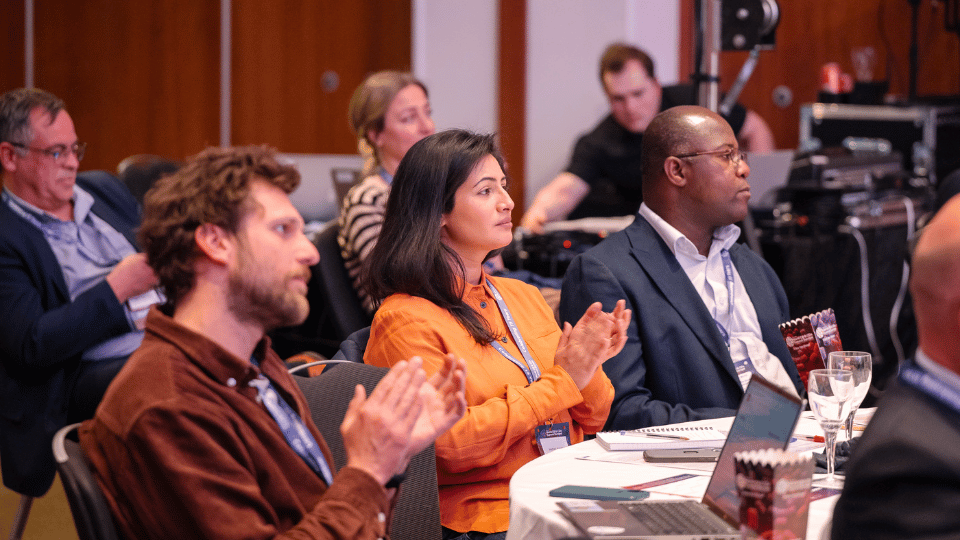
Hear the latest industry breakthroughs and gain exclusive insights during our packed agenda, interactive roundtables, and panel discussions.
Partner With Us
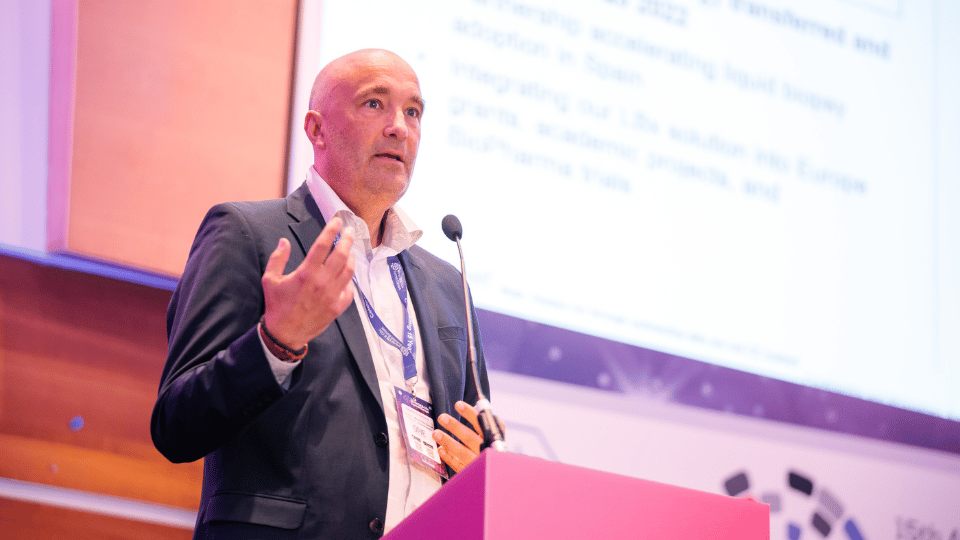
Position yourself alongside other leading solution providers to ensure your brand is at the heart of biopharma deals.
Join Biopharma Experts
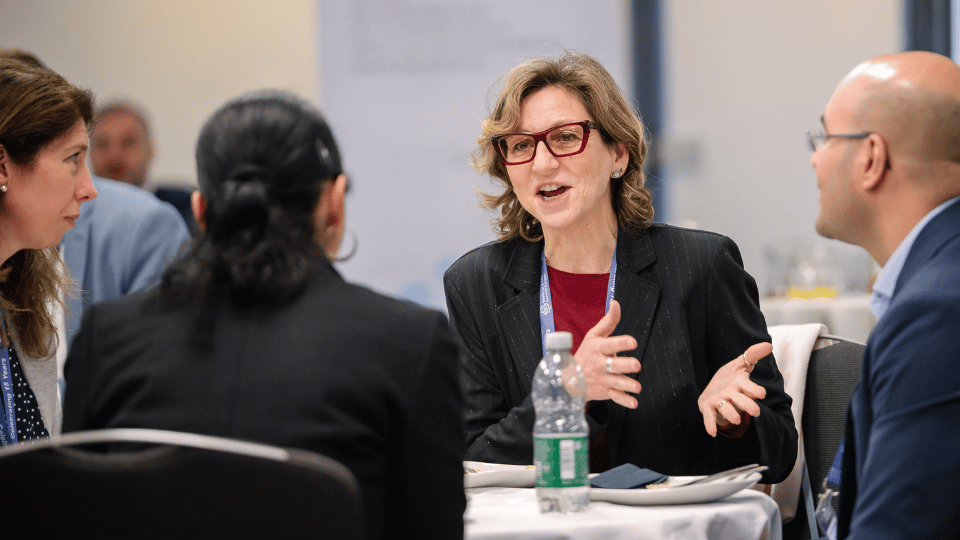
Be part of the hottest conversations with like-minded attendees spanning all stages of drug development and make critical connections during our dedicated networking sessions.