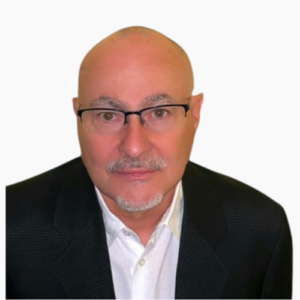
Joerg Heyer
Head of Translational Science & Medicine Palisade Bio
Dr. Heyer is an accomplished leader in Translational Science, Translational Medicine, and Clinical Research with over two decades of experience in the pharmaceutical industry. Throughout his career he has played a pivotal role in the successful development and strategic management of multiple clinical drug programs including: FOTIVDA® (tivozanib), a next-generation VEGFR TKI approved by the FDA in March 2021 for the treatment of adults with relapsed or refractory advanced renal cell carcinoma (RCC); Ficlatuzumab which is a potent, humanized IgG1 monoclonal antibody that targets HGF and is now tested in Phase 3 for HPV negative R/M HNSCC; CP101 which is a Phase 3, investigational, microbiome candidate in recurrent CDI; FN211 which is in Phase 1 for Autism Spectrum Disorder; and DCSZ11/DCBY02 fully humanized anti-CD93 antibodies regulating vascular normalization. In addition, Dr. Heyer worked on various preclinical molecules (i.e PDE4A inhibitor MEM1414) for neurodegeneration and Asthma. His contributions in drug development to disease modeling, gene expression profiling, histology, NGS and Translational Research have been documented in publications, presentations, patents and regulatory filings.
Dr. Heyer received his postdoctoral training at Albert Einstein College of Medicine in Human Genetics following receipt of his Ph.D. in Human Genetics from Julius Maximillians University in Wuerzburg Germany.
Seminars
Fibrosis begins through different organ-specific injuries, but many pathways may converge around fibroblast activation, immune-stromal crosstalk, mechanotransduction, ECM remodeling, and failed repair. This workshop will compare fibrogenic cascades across lung, liver, kidney, gut, and skin to determine where fibrosis becomes targetable, when intervention is most likely to succeed, and whether mechanisms support panfibrotic or indication-specific strategies.
Discussion Topics Include:
- Mapping common downstream fibrotic pathways involving fibroblast activation, ECM deposition, and mechanotransduction across organs
- Understanding organ-specific inciting injuries, epithelial responses, and immune microenvironments that drive early disease
- How spatial omics, niche-specific activation cues, and cross-organ learnings are enabling more precise, safer antifibrotic strategies
- Determining at which disease stage cross-indication therapeutic approaches become most viable versus requiring tissue-specific targeting