
Celebrate Our 10th Anniversary at the Premier Antifibrotic Summit
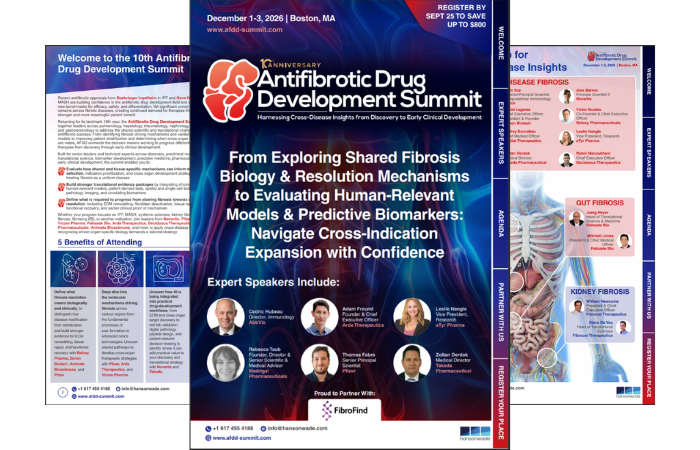
From Exploring Shared Fibrosis Biology & Resolution Mechanisms to Evaluating Human-Relevant Models & Predictive Biomarkers: Navigate Cross-Indication Expansion with Confidence
With Celea Therapeutics raising $180 million towards its Phase 3 IPF program, GRI Bio securing FDA Orphan Drug Designation and multiple differentiated assets advancing through clinical development, confidence in next-generation antifibrotic therapies continues to build. At the same time, advances in single-cell sequencing, spatial transcriptomics, human tissue models, and predictive biomarkers are giving developers a more precise view of the cell states, tissue niches, and pathways driving fibrosis.
Yet fibrosis is not one disease. Different organs begin with different injuries and microenvironments, while many programs converge around shared processes. Understanding where these mechanisms are truly conserved, where tissue-specific biology changes the strategy, and which lessons can be transferred from one indication to another is becoming increasingly important for target selection, model design, biomarker development, and indication expansion.
Returning to Boston for its landmark 10th anniversary, the Antifibrotic Drug Development Summit is the only industry-focused forum dedicated to cross-indication antifibrotic drug development, uniting 60+ senior leaders across discovery, preclinical, translational, biomarker, and early clinical development.
Joined by organizations including Madrigal Pharmaceuticals, AbbVie, Arda Therapeutics, aTyr Pharma, and Vicore Pharma, the summit brings the wider fibrosis ecosystem together across three interactive workshops and two main conference days to compare approaches to fibrosis resolution, cross-tissue biology, human-relevant models, patient stratification, and cross-indication expansion.
Gain the cross-organ insight, practical frameworks, and industry connections needed to translate learning beyond your own indication, avoid siloed development decisions, and advance more differentiated antifibrotic therapies towards clinical proof of concept.
It was an informative conference that provided insight into the current and future state of fibrosis drug development. What stood out to me was the fibrosis scientific community and the collaborative nature of the group.
John Daw, Associate Director of Bioanalysis and Biomarkers, Asahi Kasei Corporation
This was a lovely conference! I liked that it was not too big, as this gave you the opportunity to talk to people between sessions. I also really liked the Speed Networking session, as it was a nice way to get a quick introduction to people and their work.
Louise Goksøyr, Senior Scientist, AdaptVac
The strong industry focus was really important. I also liked the panel discussions and the organised fast networking session.
Jacquelyn McEntire, Cell & Molecular Biologist, Eli Lilly & Co.
The event was well organised, with several interesting talks focused on fibrotic disease and covering multiple organs. The audience was highly knowledgeable.
Elaine Kilgour, Head of Translational Science, RedX Pharma
Explore The Full 3-Day Experience
- 60+ Fibrosis Decision-Makers & Scientific Experts
- 23+ Expert Speakers Spanning Pharma, Biotech & Academia
- 3 Interactive Preconference Workshops
- Cross-Indication Insights Across Lung, Liver, Kidney, Cardiac, Skin, Gut & Systemic Fibrosis
- Discovery-to-Early-Clinical Strategies Covering Targets, Models, Biomarkers, Patient Selection & Proof of Concept
- 7+ Hours of Dedicated Networking Sessions by Organ Indication
Official Partners
Attending Companies Include



Explore Related Events



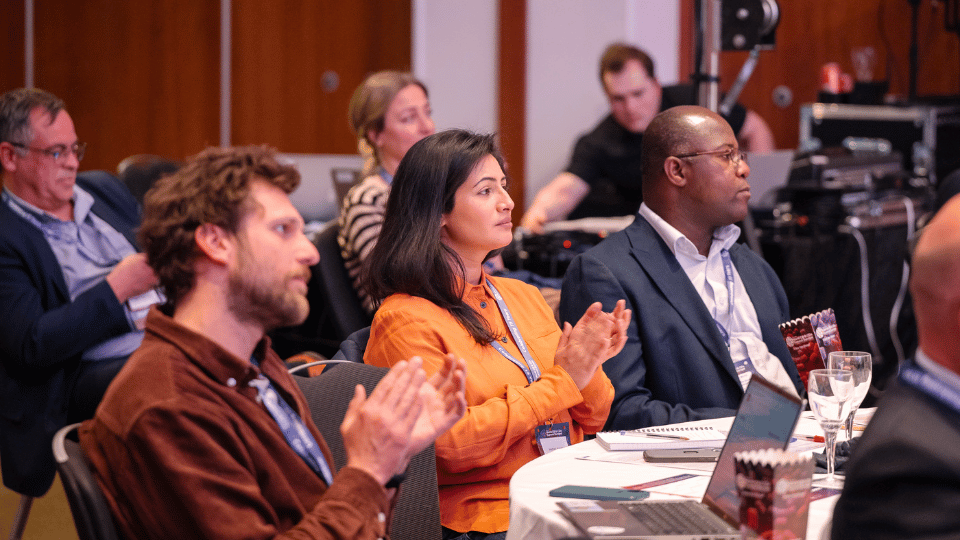
Explore the Agenda
Hear the latest industry breakthroughs and gain exclusive insights during our packed agenda, interactive roundtables, and panel discussions.
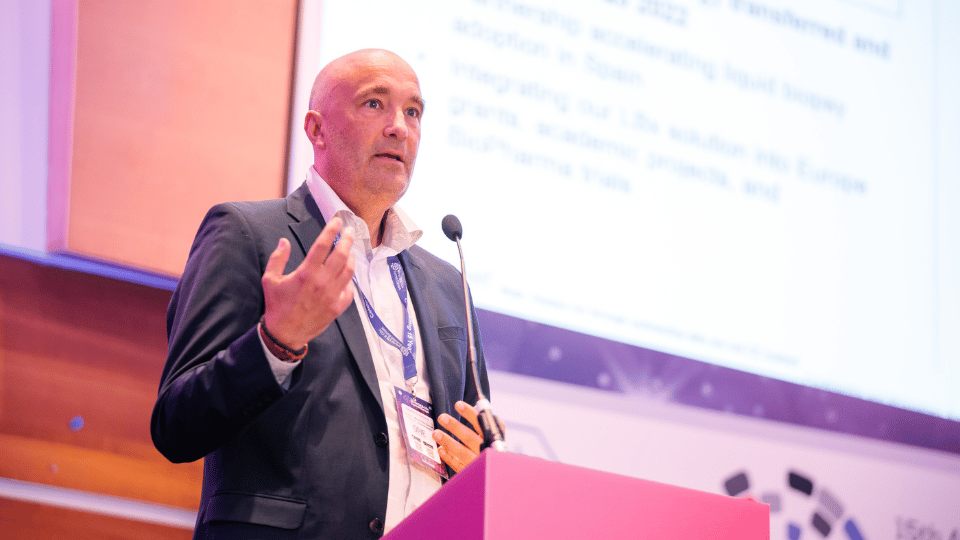
Partner With Us
Position yourself alongside other leading solution providers to ensure your brand is at the heart of biopharma deals.
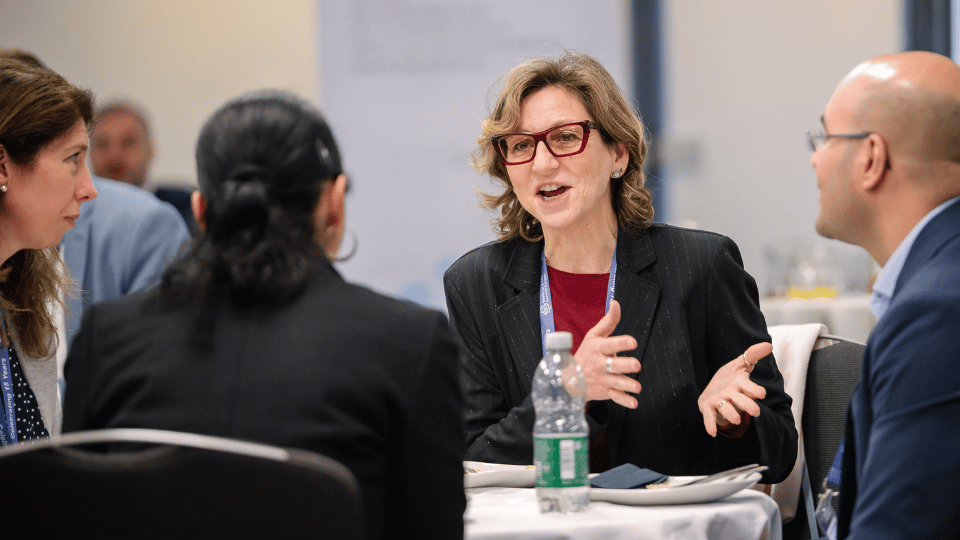
Join Biopharma Experts
Be part of the hottest conversations with like-minded attendees spanning all stages of drug development and make critical connections during our dedicated networking sessions.